

What Is Transformational Interior Design?
Transformational Interior Design: Why the Right Designer Asks a Different Question
Every interior design website says the same three things.
That they listen. That the work is bespoke. That it will reflect you.
So when you are choosing between them, you have almost nothing to go on, and you end up picking on portfolio photographs and whether you liked the person on the phone.
Here is a better test, and it takes one question.
The question that separates them
Traditional interior design begins with: “What do you want your space to look like?”
Transformational interior design begins somewhere else: “How do you want your life to feel and who are you becoming?”
Then the environment is designed around the answer.
That sounds like a soft difference. It is not. It changes what gets decided, in what order, and what the finished home is actually for.
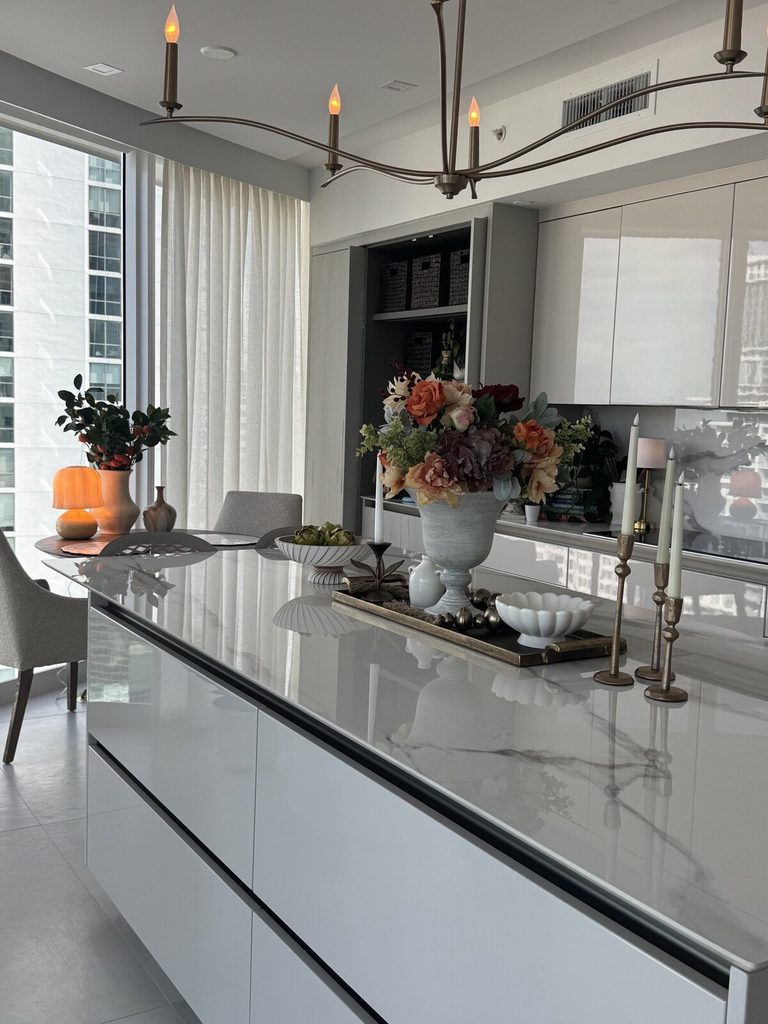
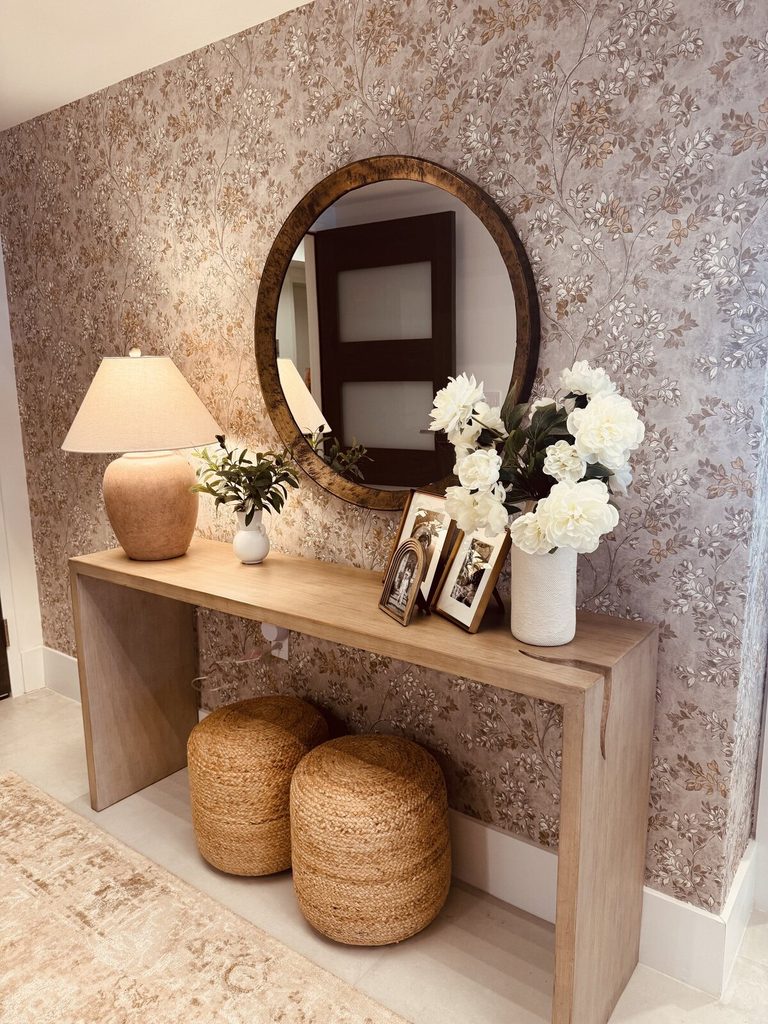
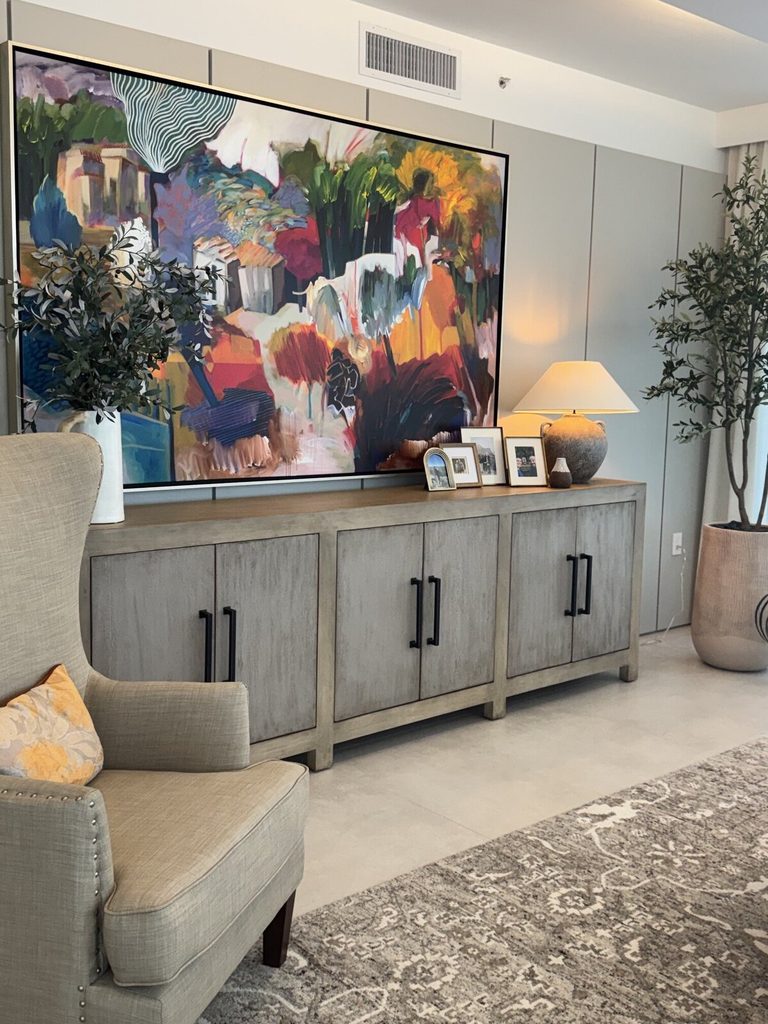
What gets looked at
In an intentional interior design process, the early conversations are not about palettes. They are about these.
- Who you are and what matters to you.
- How you naturally experience and move through your environment.
- What you are creating in your life right now.
- What your home may be communicating about your past, your present and your future.
- The colors, textures, forms, objects, art, nature and sensory experiences that resonate with your essence.
- How your environment can support greater creativity, clarity, connection, joy and vitality.
- How creative self-expression can become a pathway to knowing yourself more deeply.
None of that is decoration. All of it changes the drawings.
Competitors sometimes describe this as energetically intentional interior design, or as interiors with soul custom designed to each client. Different labels, same commitment: the environment is built around the person, not the other way round.
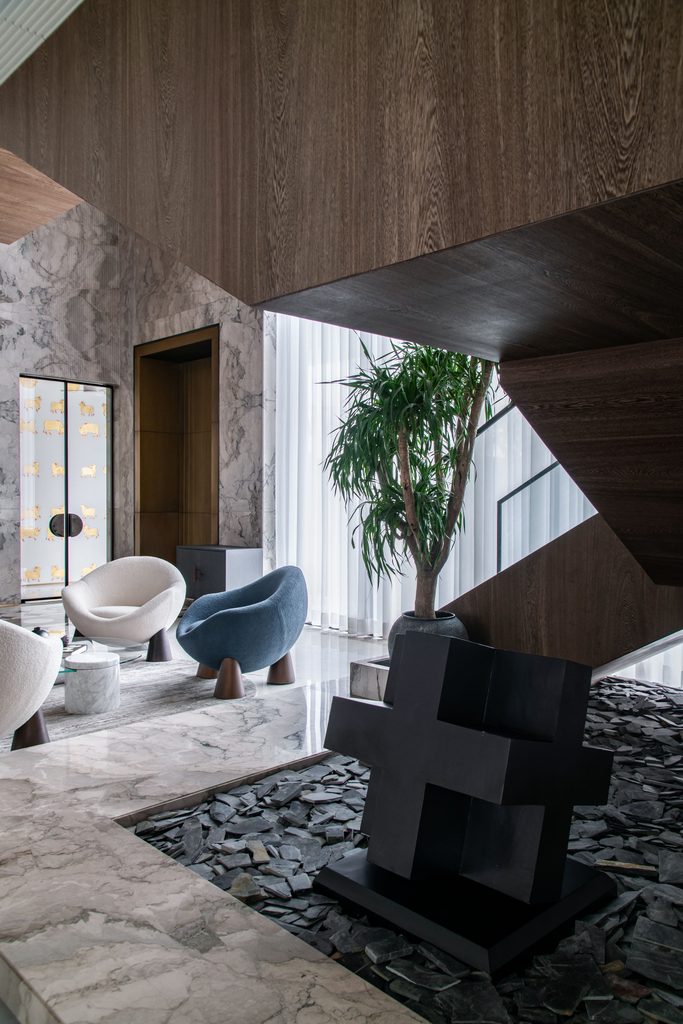
Why the order matters more than the ideas
People assume the holistic part is applied at the end, like a blessing over finished work.
It is not. It changes decisions early, while changing them is still cheap.
Where the bed goes, which reorganizes the whole bedroom.
Which wall the desk faces, which moves the lighting and the power.
What happens in the first ten feet past your front door, which changes the entry furniture and often the flooring.
Whether a wall gets opened or deliberately does not, because an open plan that lets everything run straight out to the lanai is not always the gift it appears to be on a drawing.
By the time a project reaches styling, those decisions are old in construction terms. The question has to be asked at the beginning or it cannot be answered at all.
What this work is actually for
I believe our environments are more than a beautiful backdrop to our lives.
Each part of what we surround ourselves with shapes our reality. Your environment is an active participant in how you live, feel, create, heal, connect and become.
For more than three decades I have explored the relationship between beauty, space, creativity, energy and human potential. My work brings together interior design, Feng Shui, biophilic principles, creative self-expression and intentional living, to create spaces that support wellbeing and harmony as well as looking extraordinary.
I don’t simply design rooms. I help people design environments that support who they are becoming.
The value, plainly
My greatest value is the ability to see what others may not.
I see the potential within a space and the potential within the person living in it.
Then I translate the invisible into the tangible. Someone’s aspirations, personality, creative expression, lifestyle, energy and vision for their life, turned into a physical environment.
That is the essence of the Design Alchemy method.
A home can become a sanctuary. A room can become a source of inspiration. Art can become an expression of identity. Color can carry emotion. Nature can reconnect us to ourselves. Beauty can nourish the senses.
And intentional design can create the conditions for a life that feels aligned, expressive and alive.
I don’t impose a style
This is the part that matters most to the women I work with, and the fear they rarely say out loud.
That they will lose control of their own home to someone with stronger opinions.
It is a reasonable fear. It happens often.
I do not impose a style on my clients. I help them discover their own. I am part designer, part advisor, part coach, part educator, part creative guide — and the finished house should look like the client, not like me.
Because the most extraordinary spaces are not the ones that look like they belong in a magazine.
They are the ones that make the person living there say: this is me, this is my life, this is where I belong.
Try this: four questions for any designer you interview
Whether or not you ever work with me, these will tell you a great deal in twenty minutes.
“What will you ask me before you show me anything visual?” If the answer is budget and timeline only, you know the scope.
“How will you make sure this looks like me rather than like your other projects?” Listen for a method, not a reassurance.
“What has changed in my life is X. Does that affect the plan?” Some will nod politely. Some will put the pen down and ask more. You want the second kind.
“Which room would you start with, and why?” A designer who starts with the room that shows is thinking about photographs. A designer who starts with the room you avoid is thinking about you.
The bigger shift
I would like to help change how we think about our homes.
From “how does my home look?” to “how does my home support the life I am here to live?”
From decorating for appearance, to designing for experience. From following trends, to expressing identity. From filling rooms, to creating meaning.
Design as self-expression. Design as intention. Design as connection. Design as transformation.
That is the heart of it, and it is what I would like this work to be known for.
If you want a home that does more than look correct, let us start with the real question. Book a discovery call and tell me how you want your life to feel.
Design your space. Express your essence. Create your life by design.
Common questions
What is transformational interior design?
Interior design that begins with how you want your life to feel and who you are becoming, then builds the environment around that answer — rather than starting from a look and fitting your life into it afterward.
How is it different from holistic interior design?
They sit in the same family. Holistic and wellness interior design describe an intention. Transformational interior design describes the outcome, and Design Alchemy is the specific method I use to get there.
Is this only for whole-home projects?
No. It works on a single room, though I will tell you honestly if the problem you are describing lives somewhere other than the room you asked about. It often does.
Do I have to be interested in energy work for this to be worth it?
Not at all. The questions still produce a better-fitting home whether or not the language interests you.


Be the first to comment