

Why Clutter Blocks Abundance | Feng Shui
Why Clutter Blocks Abundance, and How to Clear It Before the Year Turns
Ask most people why clutter blocks abundance and they will give you a vaguely spiritual answer about energy not flowing. There is a better explanation, and it has measurements attached to it.
Clutter is rarely about mess. In my experience it is about the version of yourself you have not finished being — which is also why clutter blocks abundance in a way that no amount of extra storage solves.
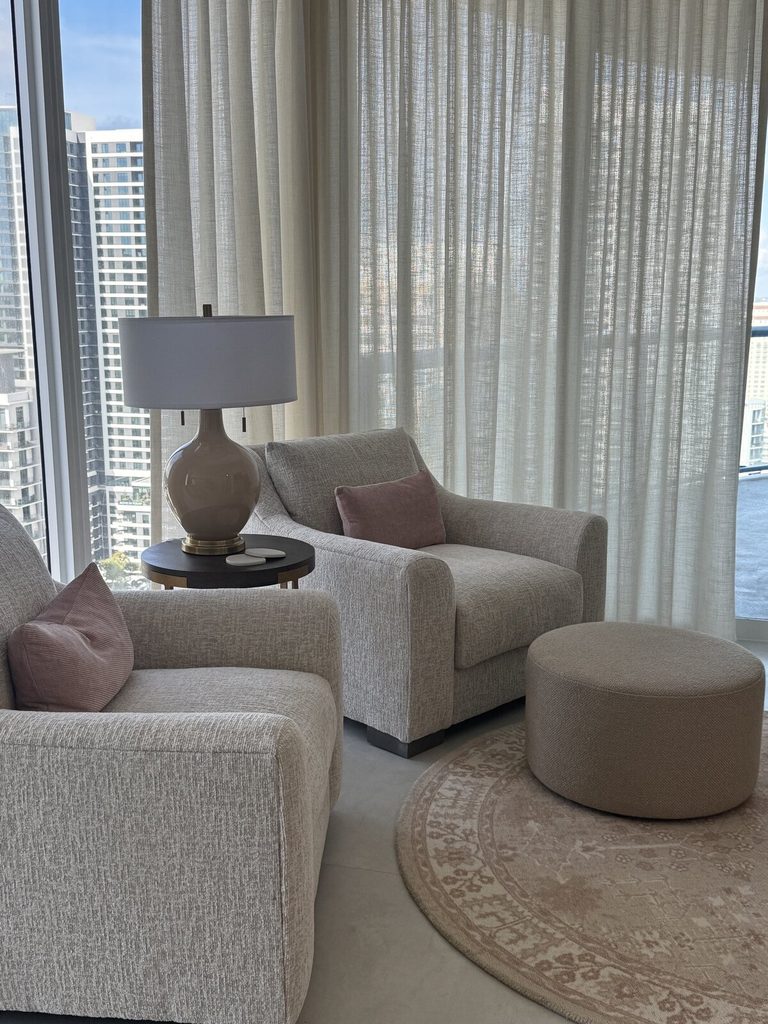
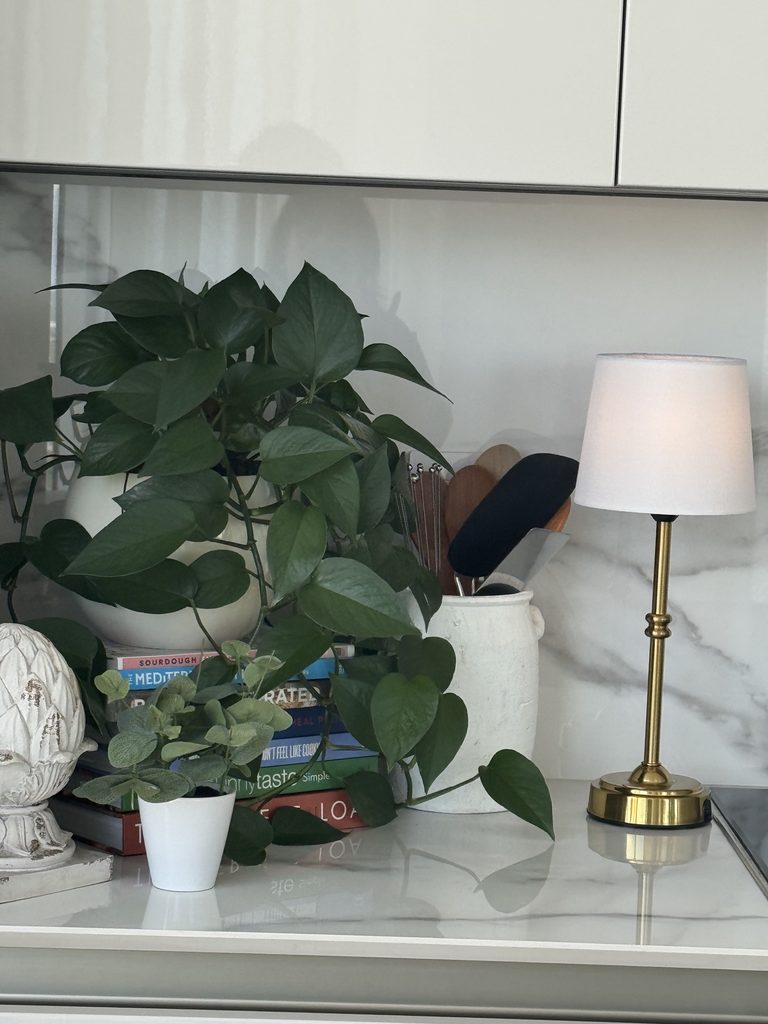
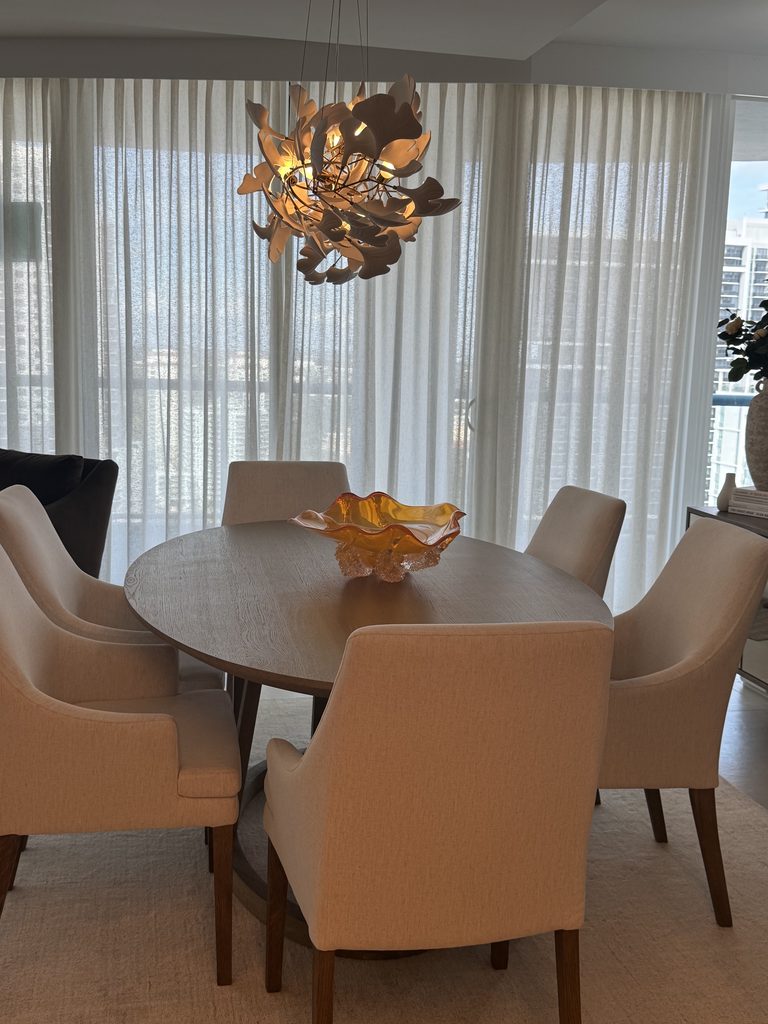
What the research actually found
Researchers at UCLA spent several years inside thirty-two ordinary family homes, filming how people lived and measuring stress hormones from saliva.
The finding that matters here: among mothers, the way a woman described her own home correlated with her cortisol pattern through the day. Women who talked about their homes in terms of mess and unfinished tasks showed a stress profile that did not settle the way it should have.
Fathers walking through the same rooms were largely unaffected.
That is a correlation, not a proven cause, and I will not stretch it further than the researchers did. But it lines up with something I have watched for thirty years: the person who carries the house is the person the house acts on.
Why clutter blocks abundance in practical terms
Set the energetic argument aside for a moment. Four things happen in a cluttered home, and all four are ordinary.
- Every surface becomes a decision you have deferred. Not restful. A to-do list you cannot put down.
- Nothing has a home, so everything takes longer, and the friction compounds across a day.
- There is no room to receive. A full house has nowhere to put anything new — including opportunities, guests, and the version of your life you say you want.
- You stop inviting people. Which is its own slow cost, and the one people mention last.
Abundance is not something you attract by wanting it. Rather, it is something a room either has space for or does not.
Why clutter blocks abundance: the Feng Shui view
Most Feng Shui tips circle this point eventually. Classical practice treats stagnant possessions as stagnant chi. Things that do not move, do not get used and do not get loved become weight in a room.
Clearing what has stopped moving lets the room move again. Those are two descriptions of the same event, and you may take whichever one you find more useful.
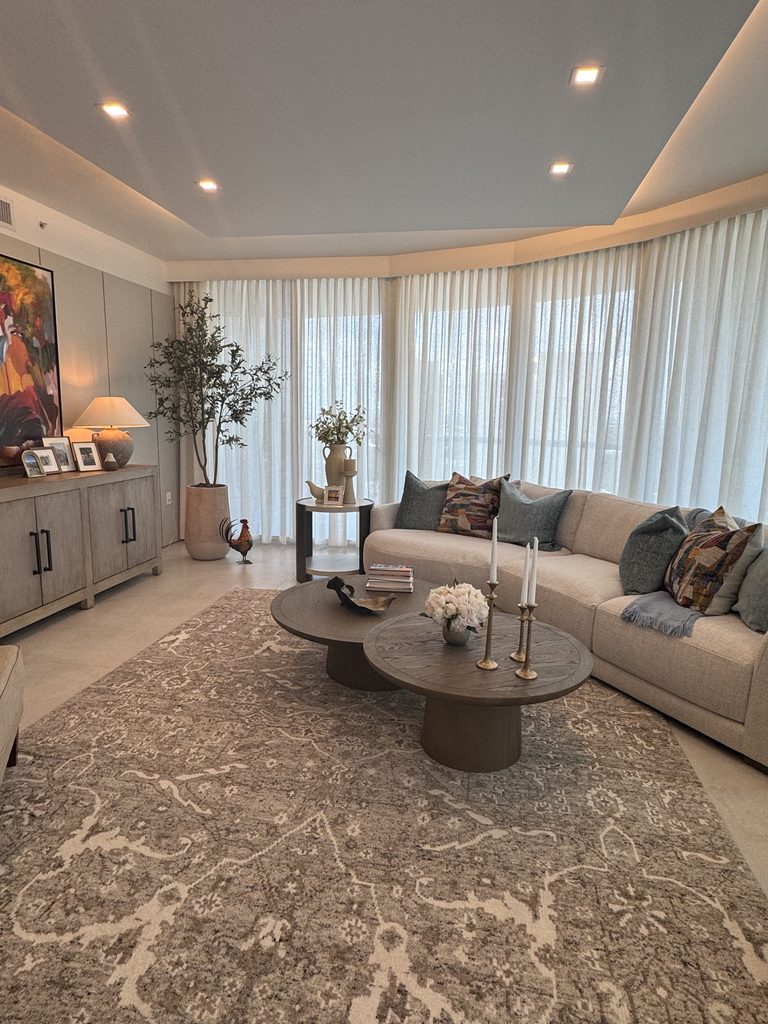
Clear your clutter to move forward, without a whole weekend
The reason the weekend never happens is that the task, as most people frame it, is enormous. Make it smaller and it gets done.
Start with one horizontal surface
Not a room. A surface. The kitchen counter, the dining table, the console by the door. Clear it completely, wipe it, and put back only what genuinely belongs there.
Give it three days. A single clear surface changes how a room reads more than most people expect.
Then the three-box pass
One box to give away, one to repair or return, one to think about. The third box gets a date on it. If you have not opened it by that date, it leaves unopened.
Then the room you avoid
Every home has one. A guest room that became storage, an office nobody enters, a dining room used twice a year.
Avoidance is information. When clients tell me about that room they usually stop talking about furniture within about a minute, and start talking about a person or a chapter instead.
What to clear first if you want the biggest change
Five places, in this order, and the reasoning is the same each time — these are the spots where stagnation costs most.
- The entry floor. Everything that arrives passes through here. Clear floor, clear arrival.
- Under the bed. You sleep above it for a third of your life. Anything stored there should be soft and neutral — linens, not paperwork or old photographs.
- The kitchen counter, because it is the surface most households surrender first.
- Your wealth area, southeast in the Western bagua, which is remarkably often where the recycling lives.
- The one closet you have not opened. You know the one.
Try this: the thirty-minute clearing
Set a timer. No decisions beyond these.
Ten minutes on the entry floor and the surface nearest the door.
Ten minutes removing one item from each room that you do not want to carry into next year. One per room, nothing more.
Five minutes opening every window, whatever the month.
Five minutes sitting down in the room that felt worst at the start, doing nothing, noticing whether it has changed.
Thirty minutes buys more than most people expect, and it tends to make the next session easier rather than harder.
Common questions
It can change how a home feels substantially, and it is the single cheapest change available in holistic interior design. Space clearing alone will not fix a layout problem or a badly placed bed, but it is almost always the right first move.
Less than the internet tells you. I am not interested in minimalism for its own sake. The test is whether an object is used, loved or meaningful — not whether it is necessary.
Work the places where stagnation costs most: the entry, because everything enters there; the bedroom, because you are least defended in it; and the wealth area of the bagua, for obvious reasons.
Then it is not a storage problem and it never was. Take three items rather than thirty, and ask someone to sit on the floor with you while you do it.
If the clearing reaches a point where it stops being about objects, that is usually where I come in. Book a Feng Shui consultation and we can look at the house together.


Be the first to comment