

Designing a Home for a Second Chapter
Designing a Home for a Second Chapter: Where to Begin When the House No Longer Fits
Designing a home for a second chapter is a different job from decorating, and most people arrive at it sideways, through a room that has stopped making sense rather than through a plan.
The house has not failed. It is simply still organized around a life that has moved on, and it has been quietly making its case for that life ever since. Intentional home design starts by noticing that.
How this chapter usually announces itself
Rarely as a decision. Almost always as a small, repeated irritation.
- A dining room set for eight that seats two, four times a year.
- Bedrooms kept exactly as they were by people who no longer live in them.
- A kitchen laid out for cooking at volume, for a household of two.
- One room you have walked past for three years without going in.
- A house that is simply too quiet, and far larger than it was.
None of that is a design fault. It is a mismatch between a building and the woman currently living in it, and mismatches do not resolve themselves.
Designing a home for a second chapter: where to begin
Not with a contractor, and not with a mood board.
Begin with how a week actually runs
Walk through seven ordinary days on paper. Where do you eat, work, read, exercise, see people? Which rooms do you genuinely use?
Most households discover they are living in about forty percent of a house and maintaining all of it.
Then ask what you have never had room for
A studio. Perhaps a proper desk. A reading chair in daylight. Or a table for six that is up permanently instead of appearing at Christmas.
This question is the one that makes people cry in a first meeting, and I have stopped apologizing for asking it. Something is usually waiting behind it that has been waiting a long time.
Then choose one room to change completely
Not the whole house. One room, changed properly, the room that has stopped making sense.
That single room will teach you more about what you want than six months of thinking will, and it makes the rest of the project considerably easier to brief.
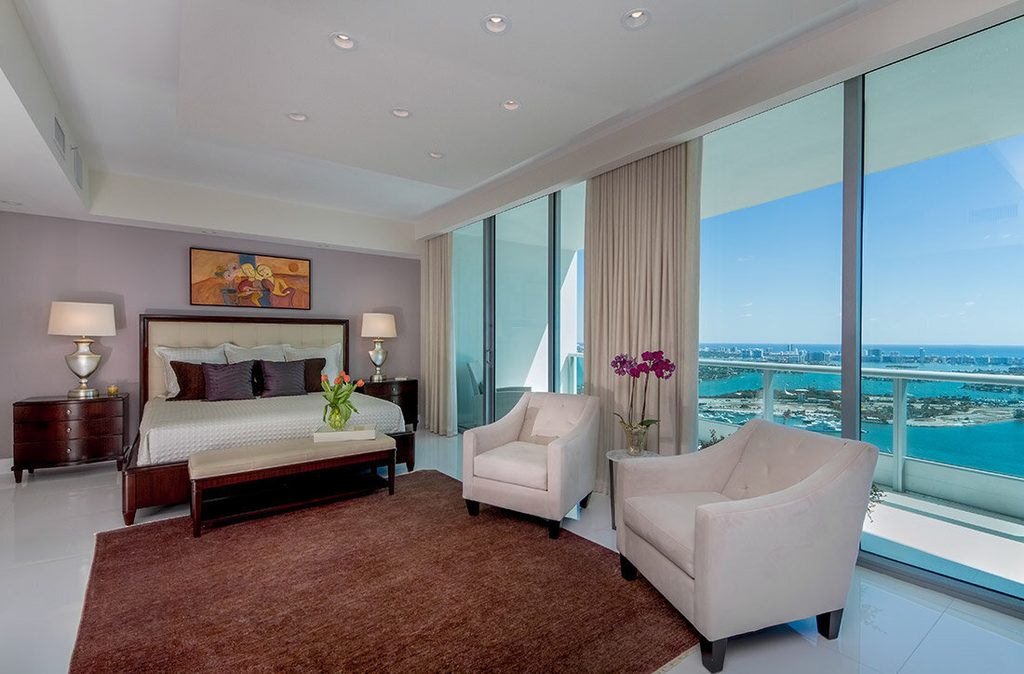
What to do with the rooms they left
The hardest part, and the part that stalls most projects for years.
There is a middle path between preserving a bedroom exactly and erasing it. Keep the photographs, one piece of furniture and anything that genuinely holds a memory, then let the room become something you use.
A preserved bedroom where you now read in the afternoons is a room. A preserved bedroom nobody enters is an exhibit — and it costs you square footage, insurance, cooling, and a daily decision you keep deferring.
Nearly everyone who does this describes relief afterward, and nearly nobody expects to. A sanctuary home is built out of decisions like that one, not out of a shopping list.
Designing a home for a second chapter: what to keep and what to release
Three questions, and they are faster than any system.
- Is it used? Genuinely, in the life you have now.
- Is it loved? Not valuable, not inherited. Loved.
- Does it belong to who you are becoming, or who you were?
Anything failing all three can leave. Anything passing one can stay. The third question does most of the work, and it is the one nobody asks themselves unprompted.
Why this is not indulgent
Almost every client says some version of it: that wanting this feels frivolous at her age, with the children gone and the house perfectly serviceable.
Consider that you will spend most of the next twenty years inside these rooms. Researchers studying what beauty does to a brain have been building a serious evidence base for how environments shape mood, cognition and recovery, this is no longer a matter of taste.
A home that fits the life you are in is not a luxury. Home transformation at this stage is the setting for everything that happens next, and you are the one who has to live in it.
Try this: the one-week test
Monday. Walk the house and mark every room you entered in the past seven days. Be honest.
Wednesday. Pick the least-used room and sit in it for ten minutes. Note what you feel, not what you would change.
Friday. Write one sentence: what this room could be if it were not what it is.
Sunday. Move one thing in it. Anything. Then leave it alone for a week and see what you think.
Most people who run this arrive at a clear brief without meaning to.
Common questions
Run the one-week test first. Plenty of people who think they need a smaller house actually need a differently organized one, and that is a much cheaper answer.
The ones that give you something you have never had: a studio, a proper office, a guest suite that works, a reading room. Converting is almost always better than preserving.
Gradually works well, provided there is a plan underneath so the rooms still agree with each other. One room at a time with a shared direction beats a whole house done at once without one.
Ask what he wants from the next twenty years in this house. He is usually in his own transition and has rarely been asked. The conversation goes differently after that.
If a room in your home has stopped making sense and you do not know where to start, that is the right moment for a conversation. Book a discovery call and tell me which room it is.


Be the first to comment