

Feng Shui Consultant vs Interior Designer
Feng Shui Consultant or Interior Designer: Which One Do You Actually Need?
People ask me this in the first five minutes of most discovery calls, usually apologetically, as though there were an obvious answer they had missed. There is not. The two disciplines overlap enough to be confusing and differ enough to matter, so here is the plain version.
What does an interior designer do?
An interior designer plans how a space is used and how it looks. Layout and circulation, lighting, materials, color, furniture selection and sourcing, window treatments, art placement, and the coordination of trades who install it all. A full-service designer manages the project from concept through to the day the last cushion is placed.
The output is physical. Rooms that function properly and look like the person living in them.
What does a Feng Shui consultant do?
A Feng Shui consultant assesses how energy moves through a space and how that movement corresponds to what is happening in the lives of the people inside it. They map the home against the bagua, examine placement, flow, light and the balance of the five elements, and recommend specific adjustments.
The output is diagnostic. Not a scheme, but an explanation and then a short list of changes, most of which cost very little.
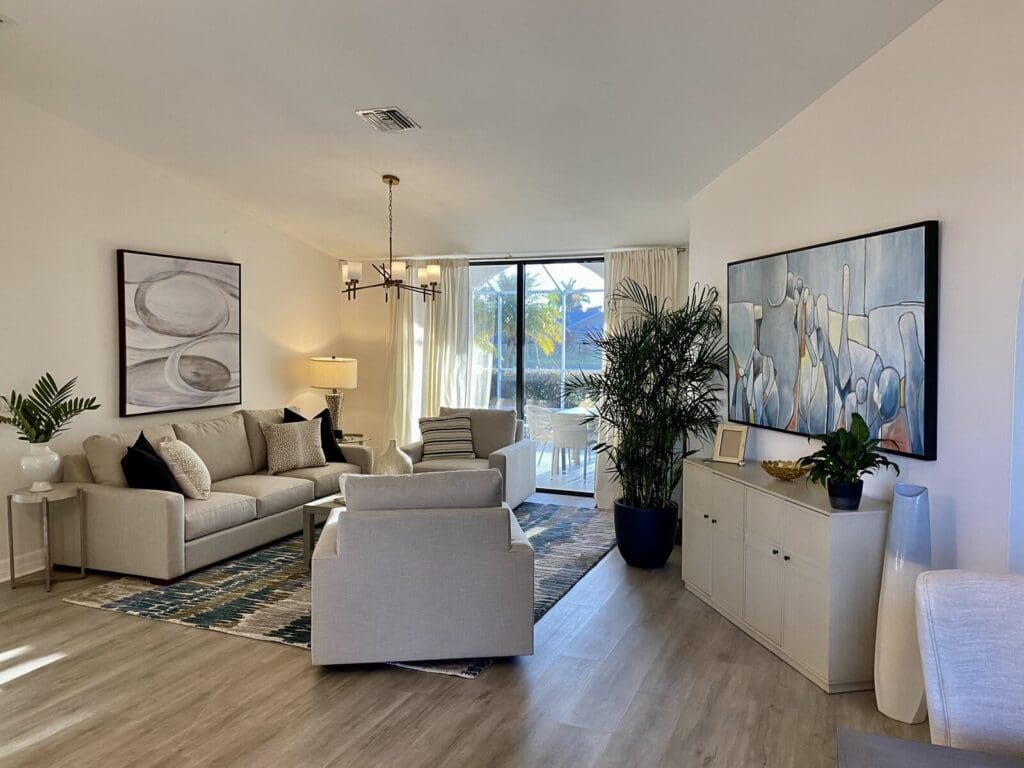
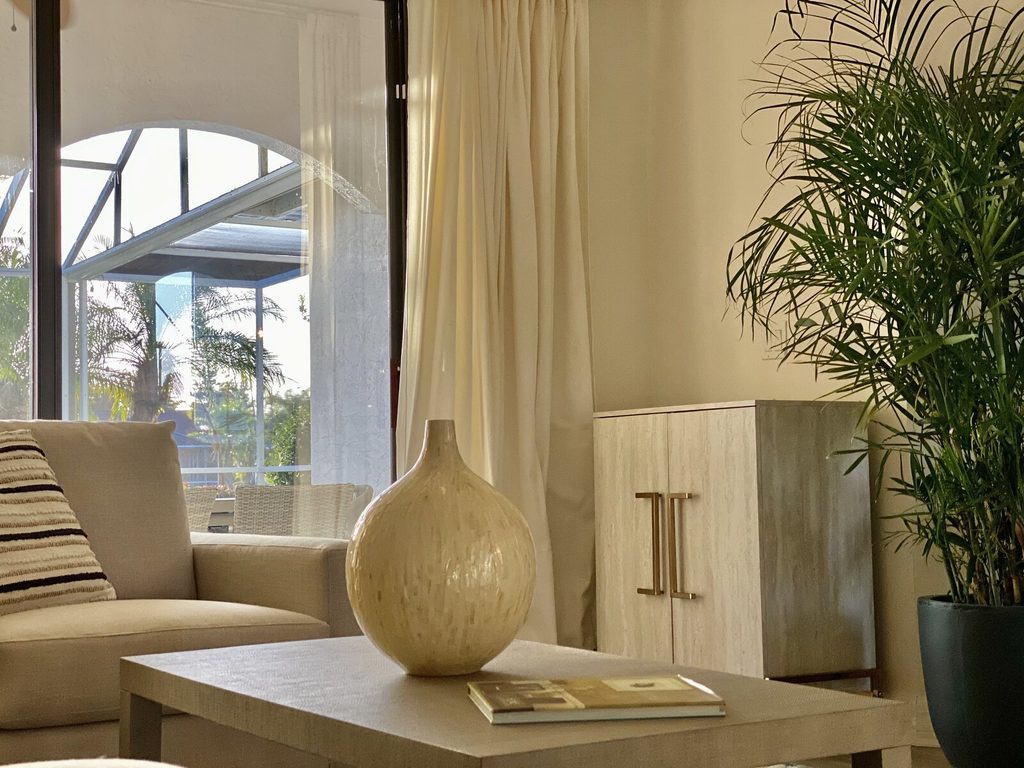
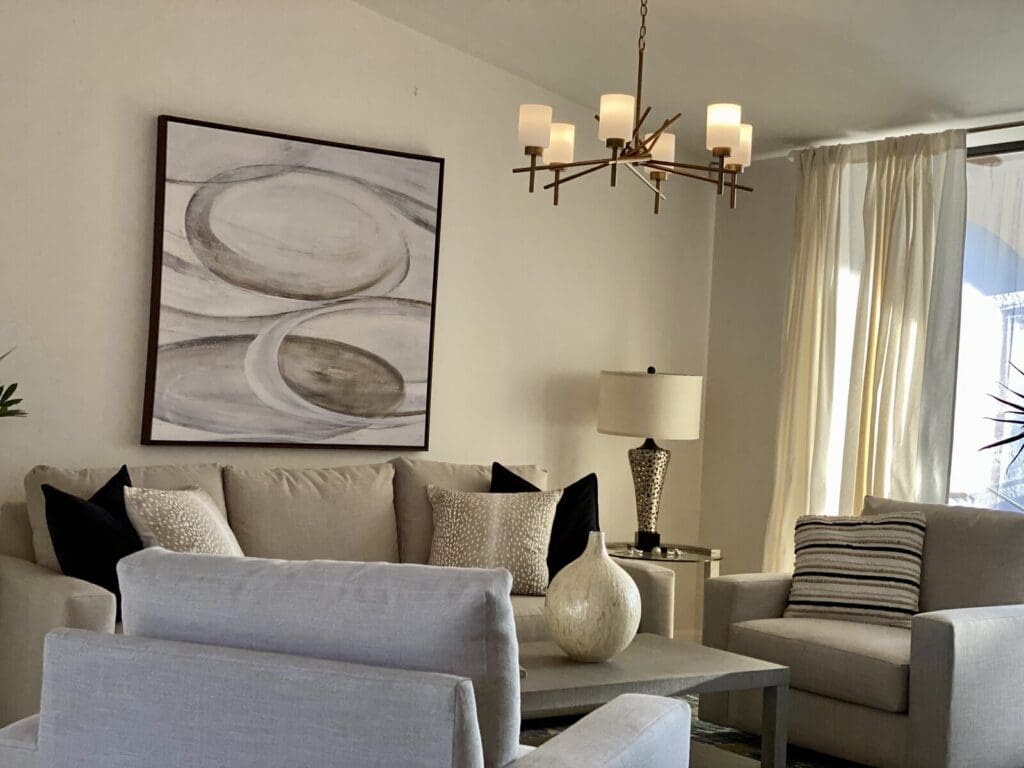
Where the two overlap
More than either profession usually admits. Both care enormously about where the furniture goes. Both care about light, about circulation, about what happens in the first three seconds after you walk through a door.
Where they differ is the starting question. A designer asks how you want to live in this room. A Feng Shui consultant asks what this room is currently doing to you. Those two questions often arrive at the same sofa in the same position for completely different reasons.
So which do you need?
Three situations, and most people recognize themselves in one of them.
You are renovating, furnishing, or starting from an empty house. . You need a designer. There are decisions to be made at volume trades to coordinate, thousands of dollars of furniture to specify and that is design work. Ask whether they can bring Feng Shui in at the layout stage, because it is enormously cheaper to get placement right on a plan than after the built-ins are installed.
Your house is finished, it is beautiful, and something is wrong with it. You need a Feng Shui consultant. This is the situation the discipline exists for: the home where nothing is objectively wrong, the furniture is good, the light is fine, and it still does not feel right. A full redesign is an expensive way to answer a question that a consultation answers in an afternoon.
Something in your life has shifted and the house has not caught up. The children left, or a marriage ended, or you retired, or you moved to Florida for a chapter that has not quite started yet. Honestly, either discipline can begin this work but you want someone who can hear what you are actually saying, because it is rarely a question about paint.
Can one person do both?
Yes, and there are more of us than there used to be, though still not many. It requires two separate trainings a design qualification and a Feng Shui certification and they are not interchangeable.
The practical benefit is sequencing. When the same person holds both, the energetic assessment happens before the floor plan is finalized rather than after, which is the only order that saves money. When they are separate people, you either pay a designer to redo work or you accept that some recommendations arrive too late to act on.
The thing to be alert to is a designer who says they use Feng Shui principles without holding any Feng Shui training. That is usually shorthand for good instincts about flow and symmetry, which is a real and valuable thing but it is not a bagua reading, and it should not be priced as one.
Is Feng Shui a religion?
No. Feng Shui is a body of observational practice about how built environments affect the people inside them, developed in China over roughly three thousand years. It has no deity, no doctrine and no requirement of belief, and it is practiced by people of every faith and none.
You do not have to believe in it for a bedroom to sleep better once the bed can see the door. I have worked with plenty of clients who arrived thoroughly skeptical and stayed that way, and whose houses improved regardless.
What does each cost?
Broad ranges, and they vary by market. A Feng Shui consultation is typically a few hundred dollars for an initial session, with fuller assessments running into four figures depending on the size of the property and the depth of the report.
Interior design is an order of magnitude different, because you are buying a project rather than an opinion. Designers charge a design fee based on scope of project, as a flat fee per room or project, plus a percentage on top of furnishings and the furnishings themselves are usually the largest number by a considerable margin.
The useful way to think about it: a consultation buys you a diagnosis. Design buys you the work. Starting with the diagnosis is often the cheaper route, because it sometimes reveals that you need one room addressed rather than a whole floor.
How to tell whether someone is actually qualified?
For designers, ask where they trained and whether they hold a degree or professional accreditation. In Florida, ask directly about their experience with the things that are specific to here humidity, salt air, hurricane glazing, the particular quality of the light.
For Feng Shui, ask which school or lineage they trained in and how long the training took. A credible answer is specific: a named school, a named teacher, a duration measured in years rather than a weekend. Ask which method they use, Western or classical compass, and be a little wary of anyone who cannot answer that clearly.
For anyone claiming both, ask for both credentials separately. It is a fair question and nobody legitimate will mind being asked it.
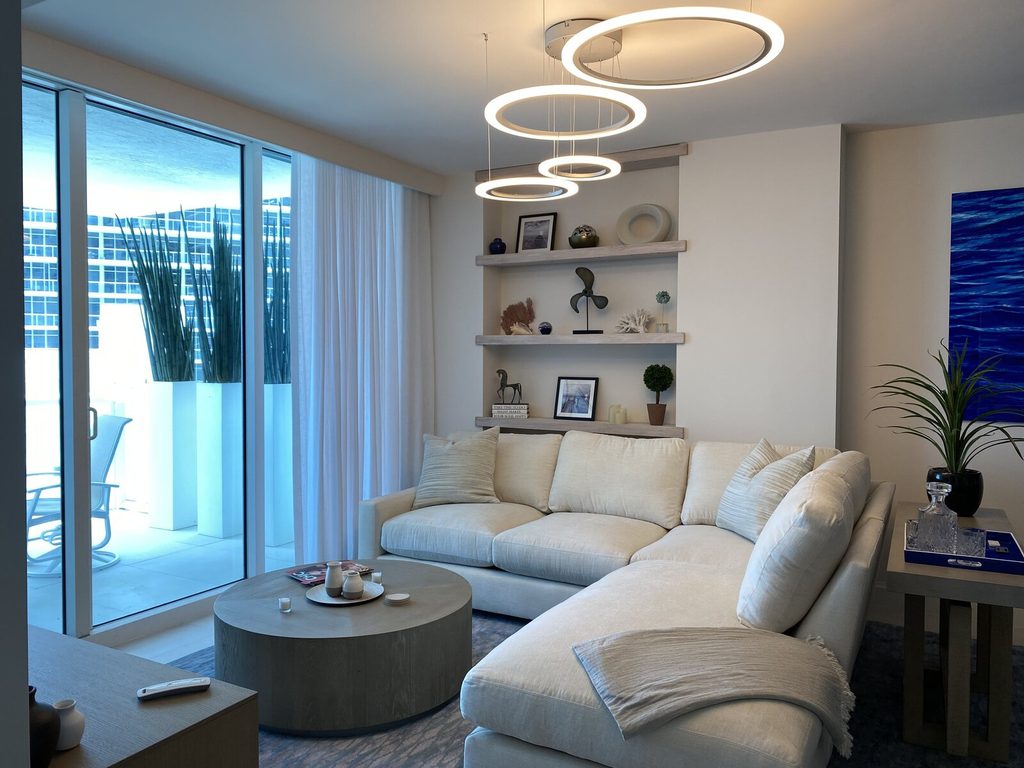
If you are still not sure
That is normal, and it is genuinely not something you should have to work out on your own before you are allowed to ask.
I trained in interior design first and in Feng Shui afterward, and I work across Sarasota, Longboat Key, Siesta Key, Lakewood Ranch, Bradenton, Venice and the wider Gulf Coast, as well as virtually. Sometimes the honest answer to a first conversation is that a client needs a single consultation and nothing more. Sometimes it is a full redesign. Occasionally it is neither, and I say so.
Tell me what is going on in your house and I will tell you which of the two you actually need.


Be the first to comment